Gun Rush
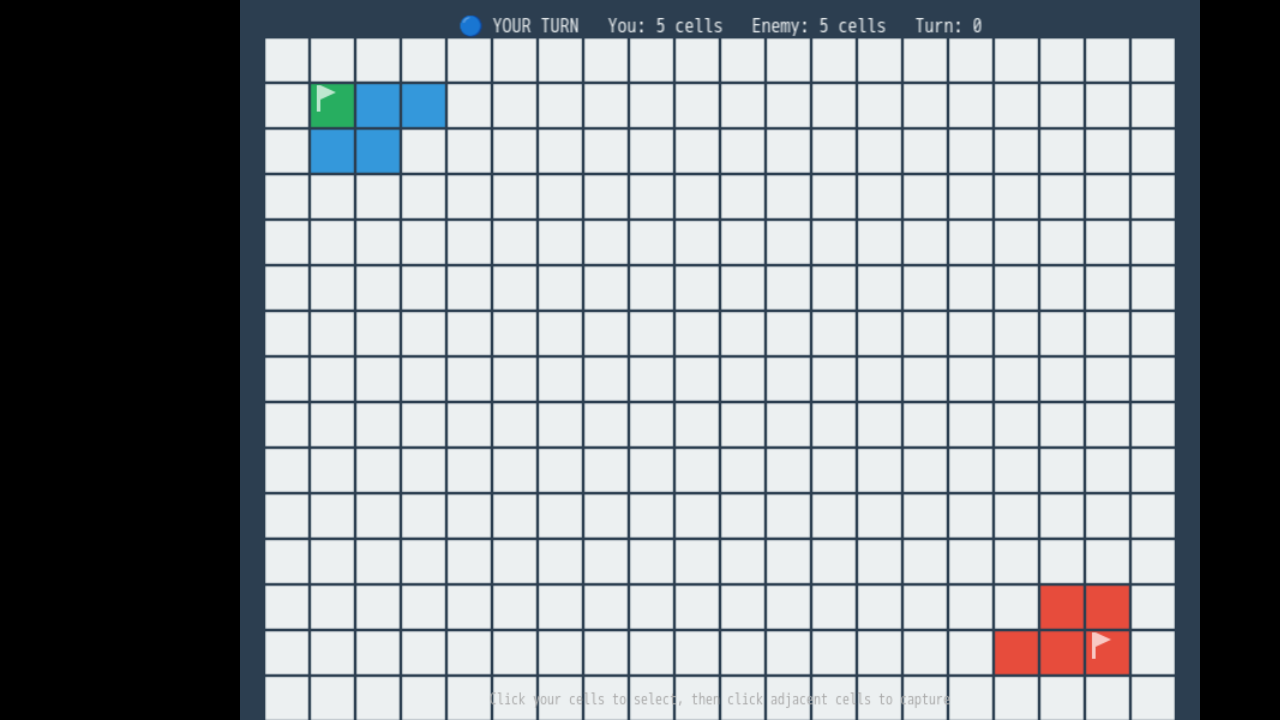
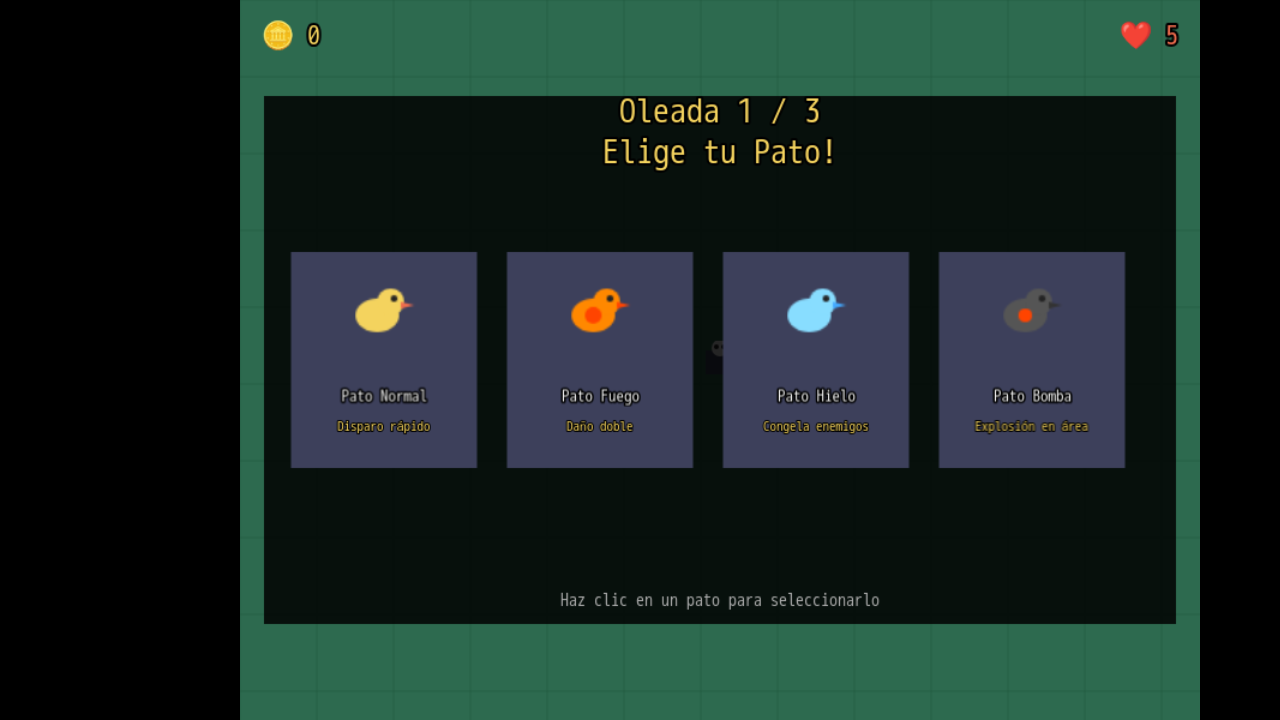
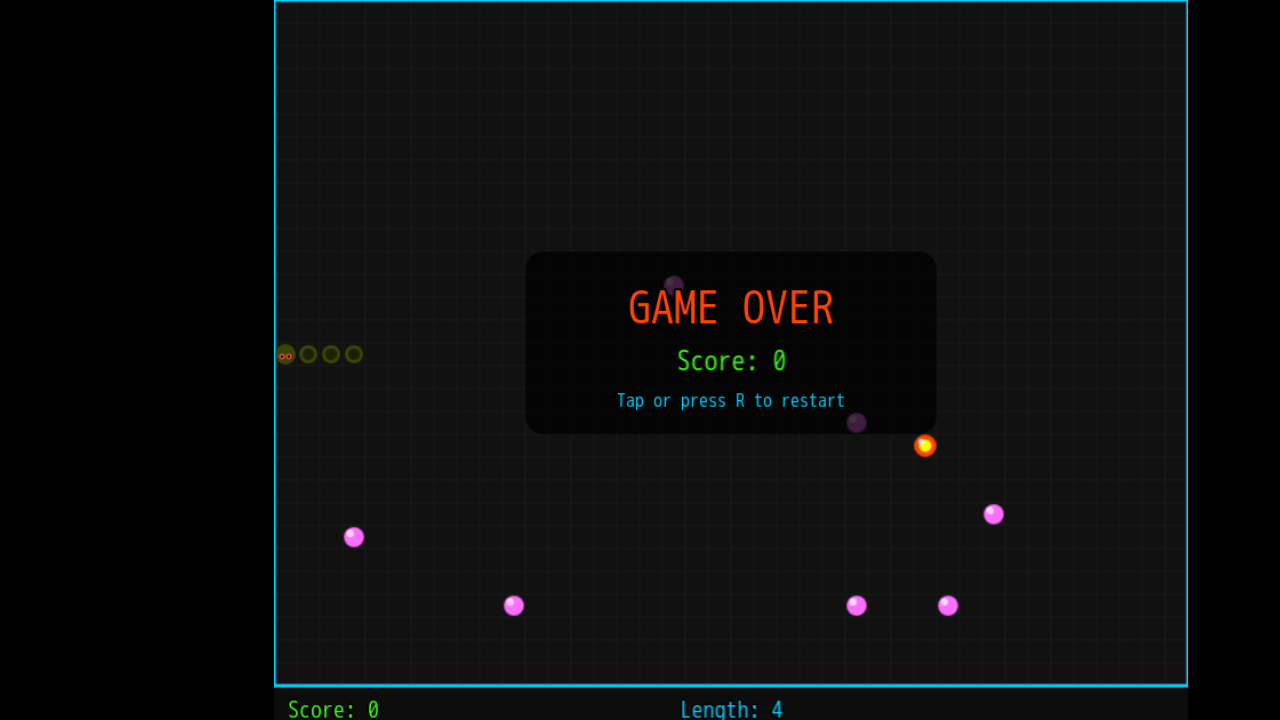
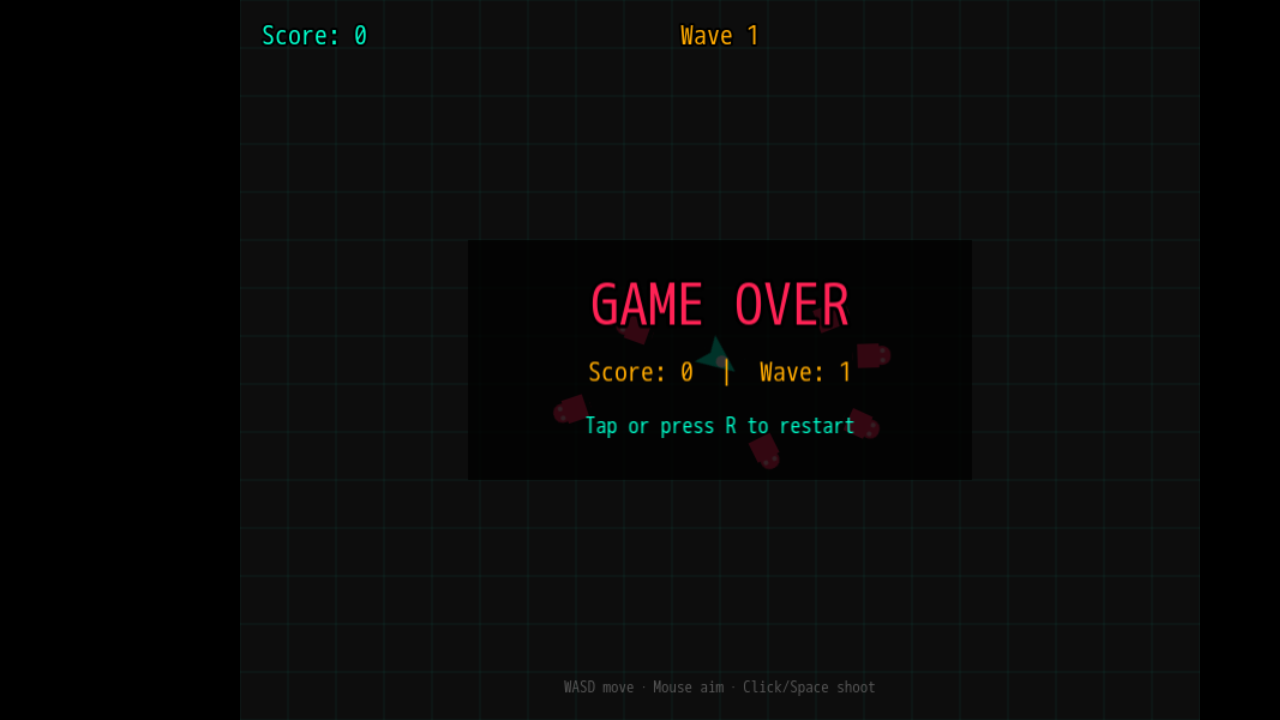
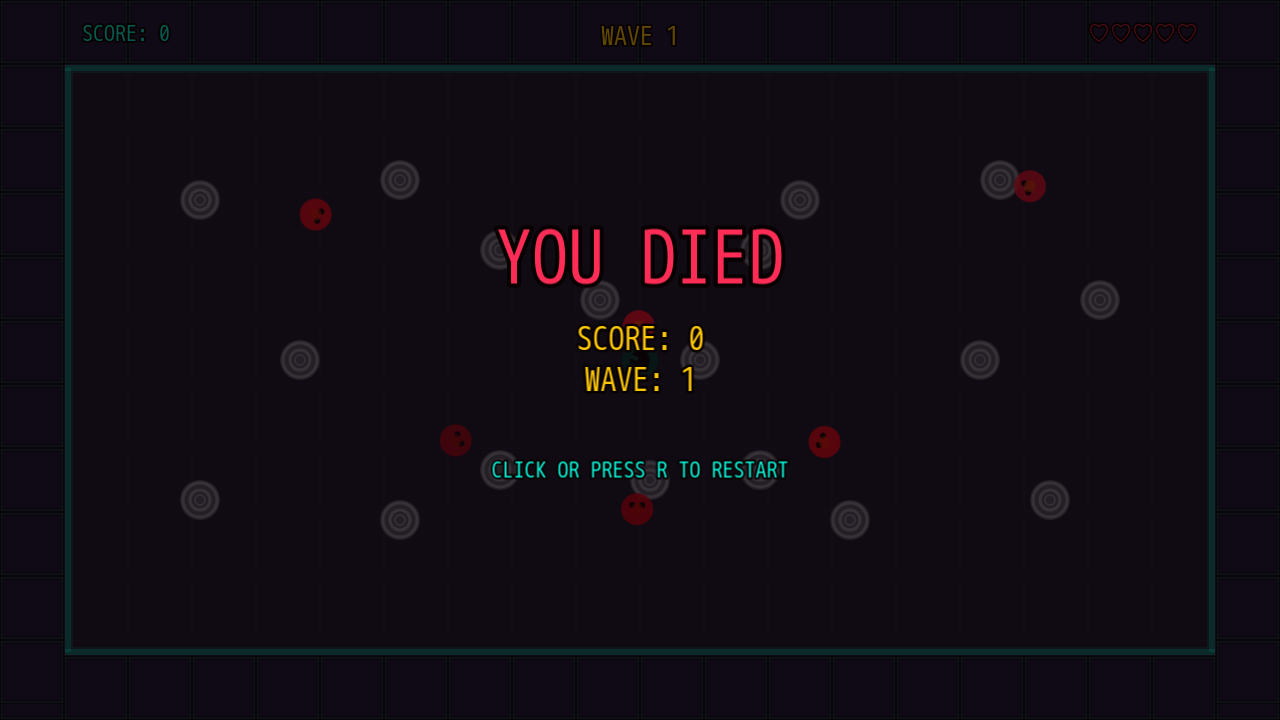
A neon top-down shooter where the waves come in from all four edges at once. There's no cover, so keep moving.
WASD to move, mouse to aim, click or Space to shoot
top-down shooterPlay Gun Rush
Every game here started as a sentence someone typed. The AI wrote the code, players did the ranking, and the most played ones rise to the top. Click a card and you're playing, right in the browser. Further down there's a shortlist with a note on how each one actually plays.
 endless runner
 platformer
 platformer
 top down shooter
 top down shooter
 arcade
 top down shooter
 top down shooter
 top down shooter
 arcade
 top down shooter
 platformer
 endless runner
 arcade
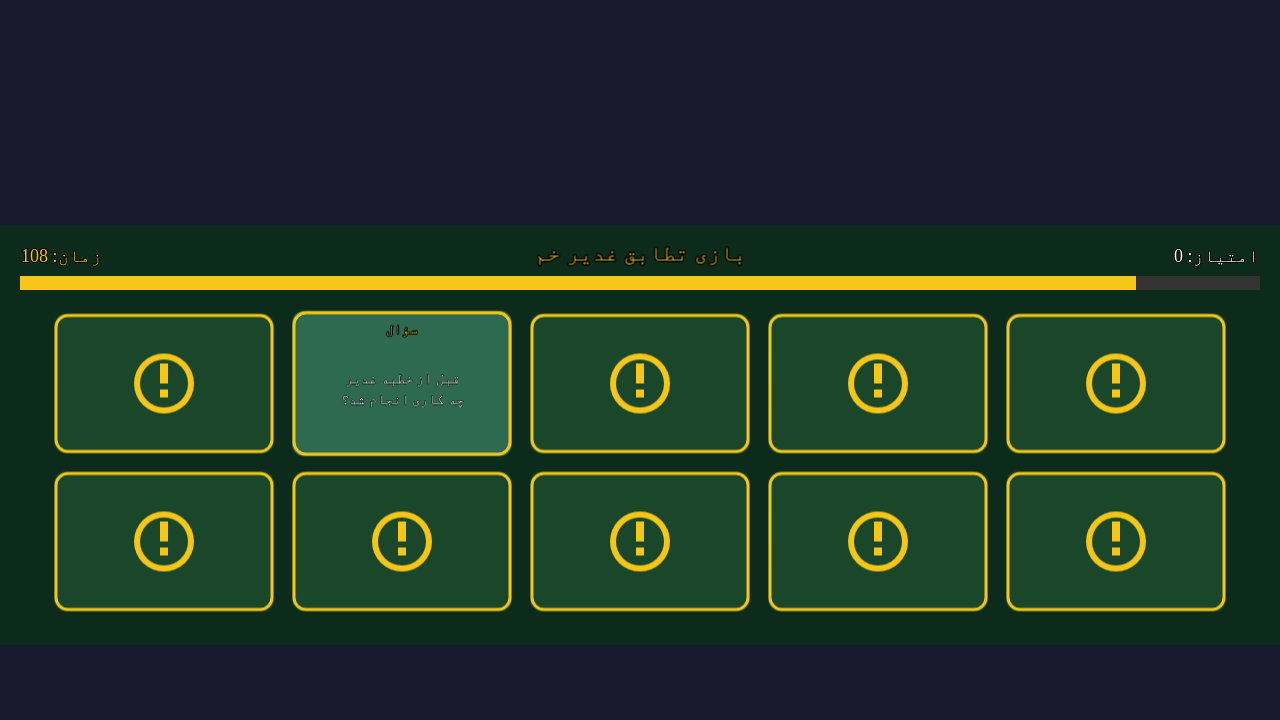 puzzle
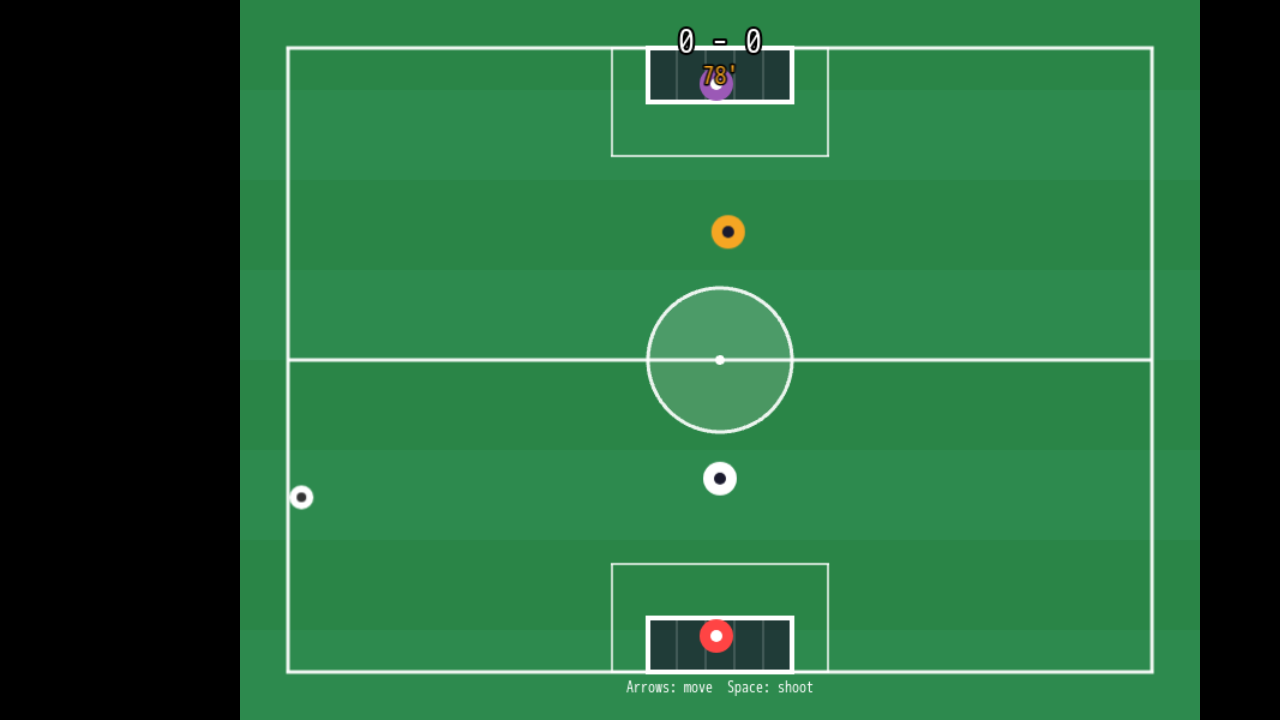 arcade
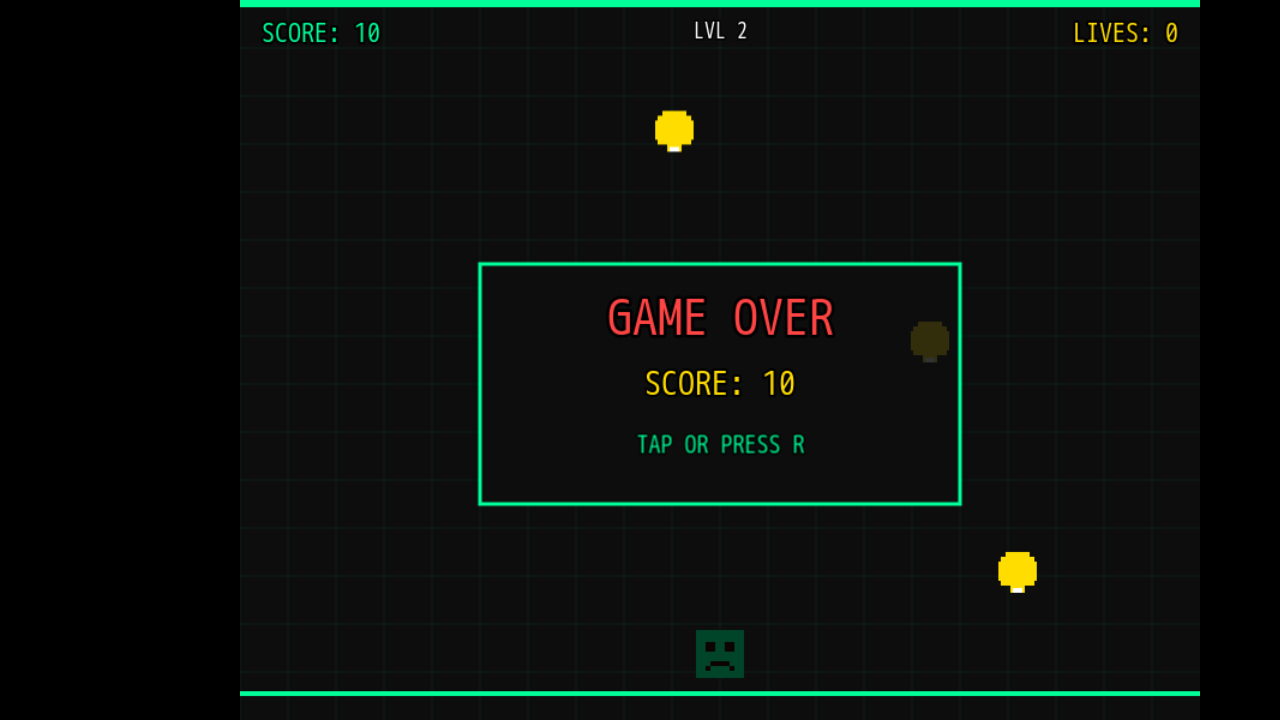 arcade
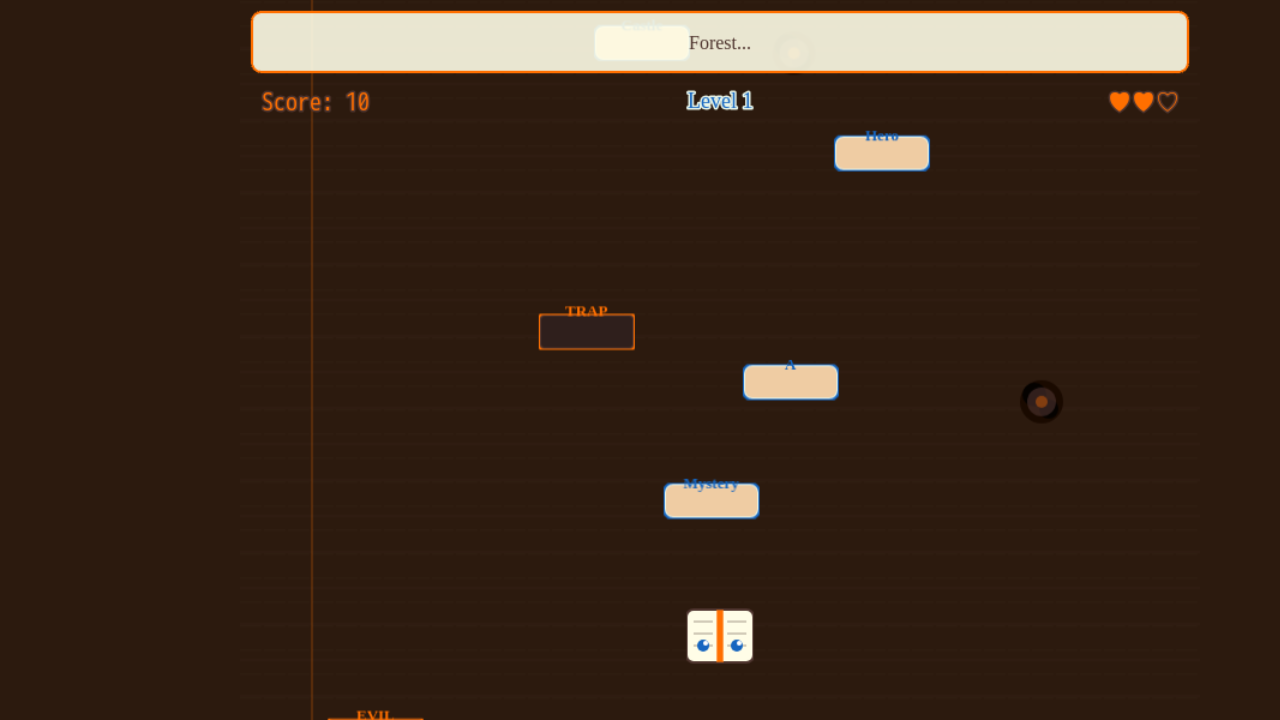 other
other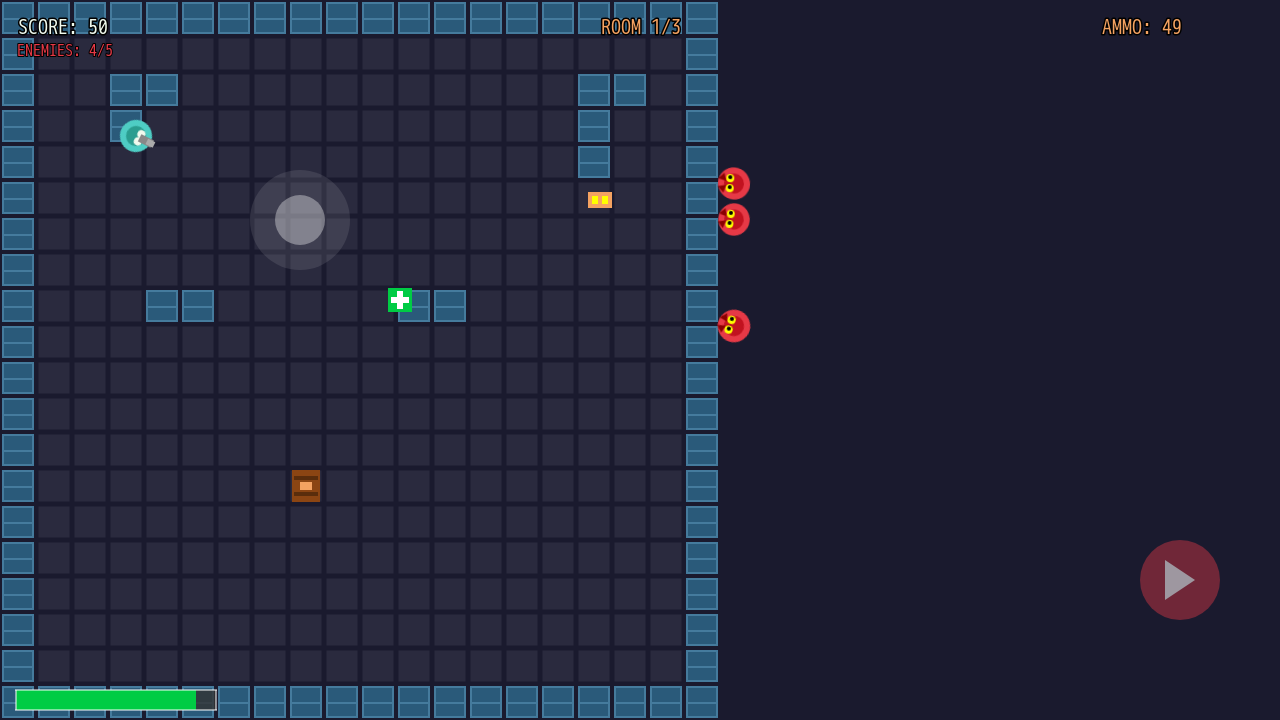 top down shooter
 other
other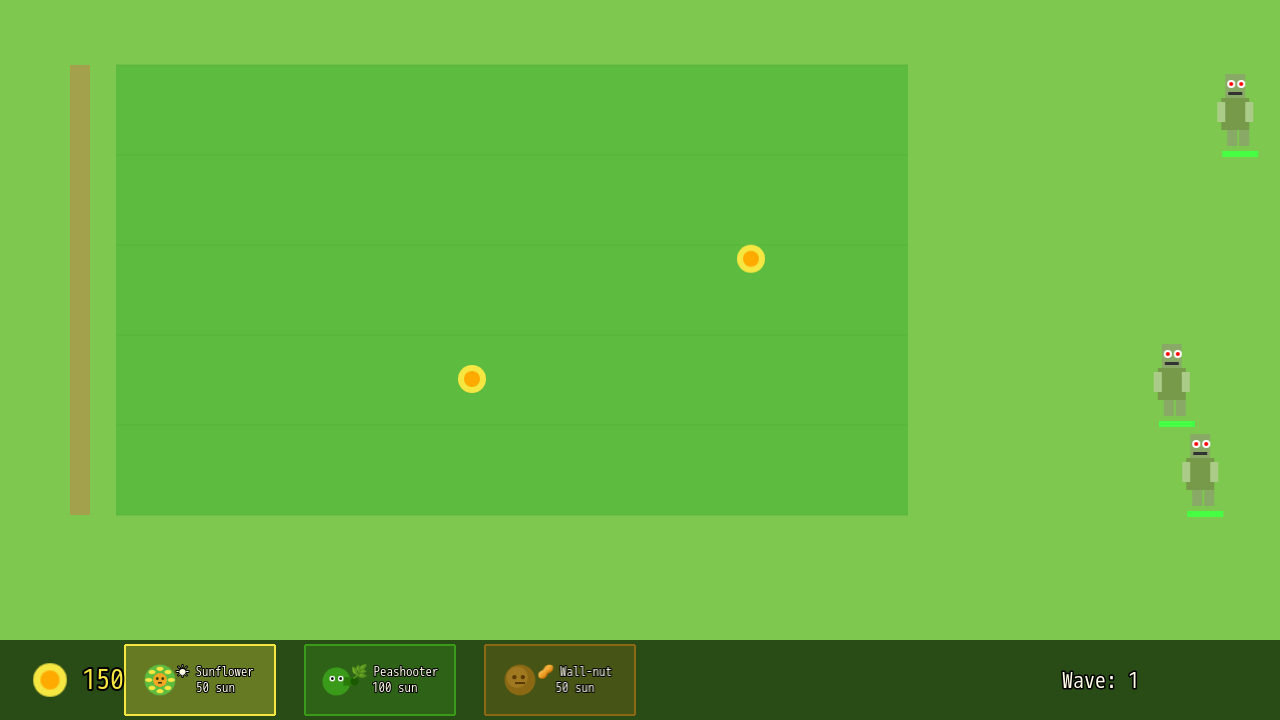 top down shooter
 racing
 arcade
 platformer
 puzzle
 arcade
 puzzle
 top down shooter
 top down shooter
 shooter
 top down shooter
 top down shooter
 top down shooter
 puzzle
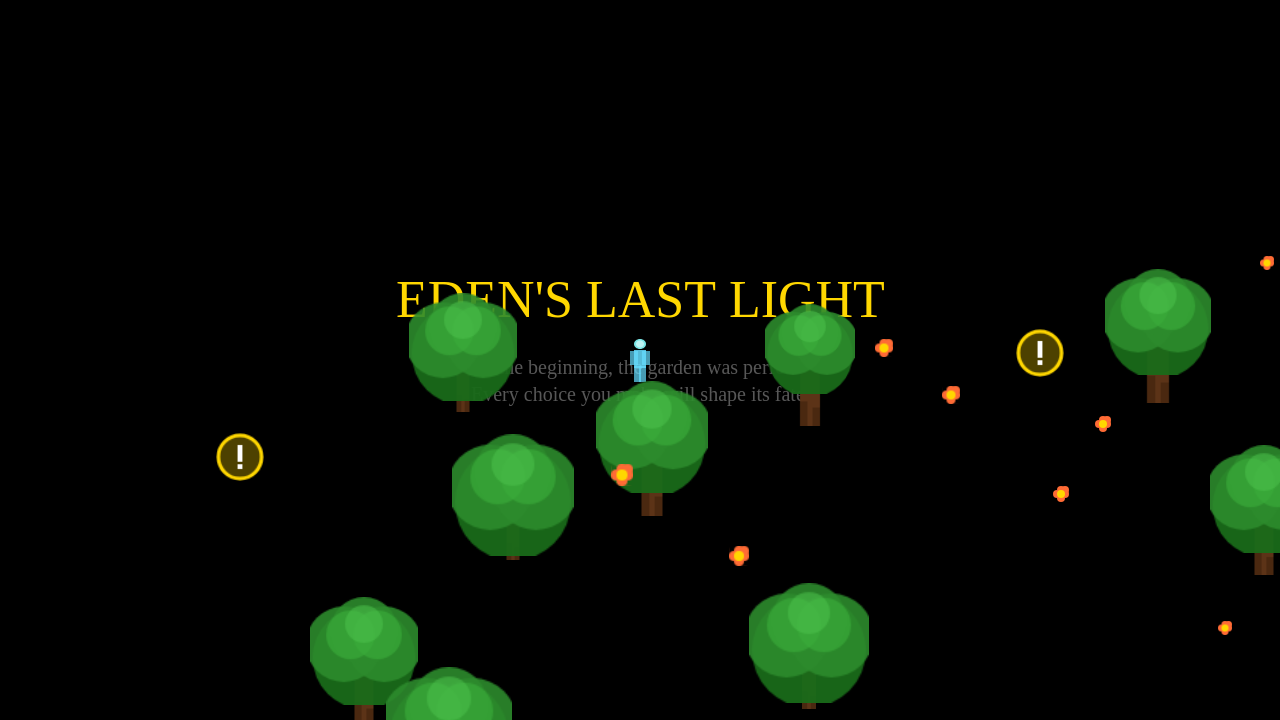 other
other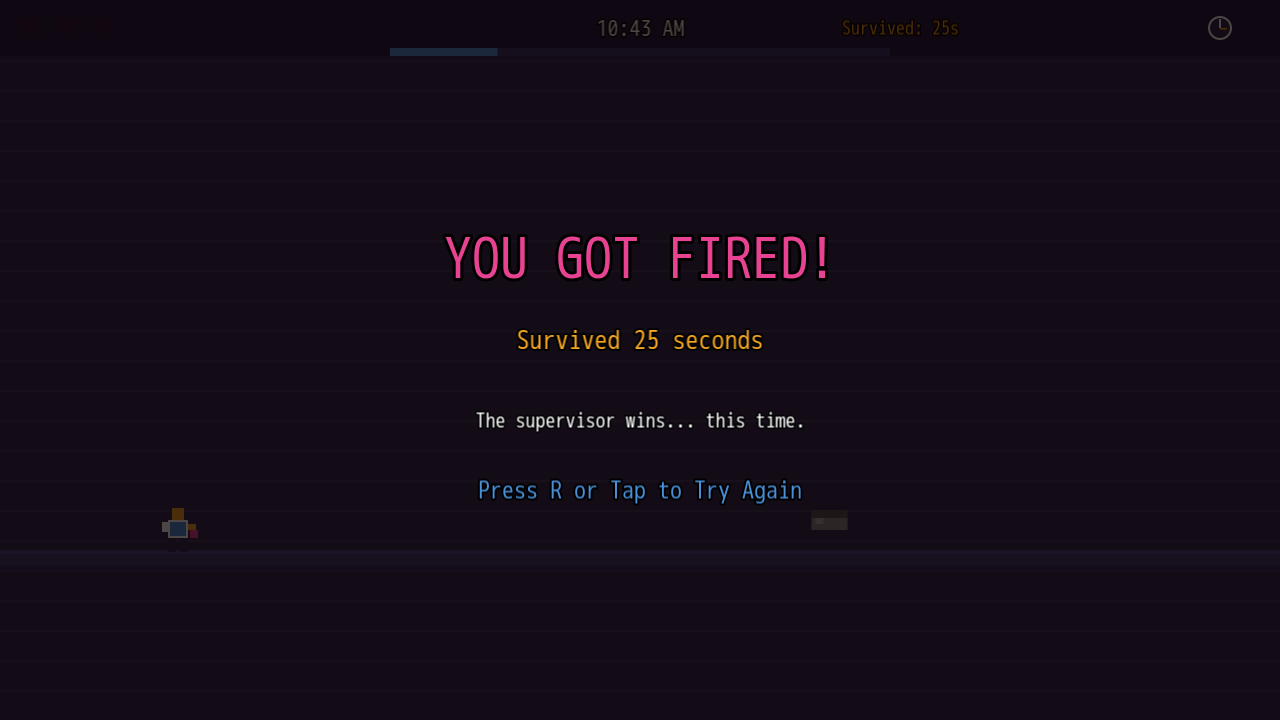 endless runner
A shortlist of games worth a first click, with a line on how each one plays. The notes come from the games themselves, not from the prompts, so what they describe is what you get. Each title goes to the game's own page, where you can also remix the prompt.
A neon top-down shooter where the waves come in from all four edges at once. There's no cover, so keep moving.
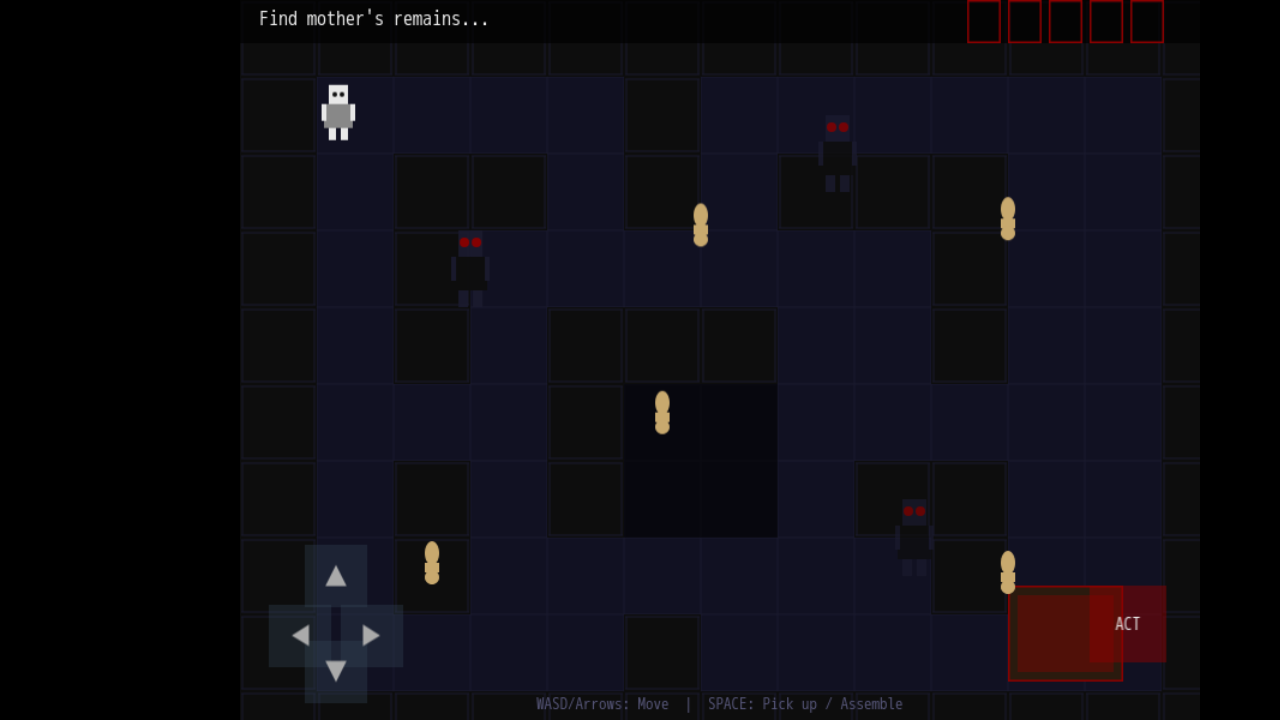
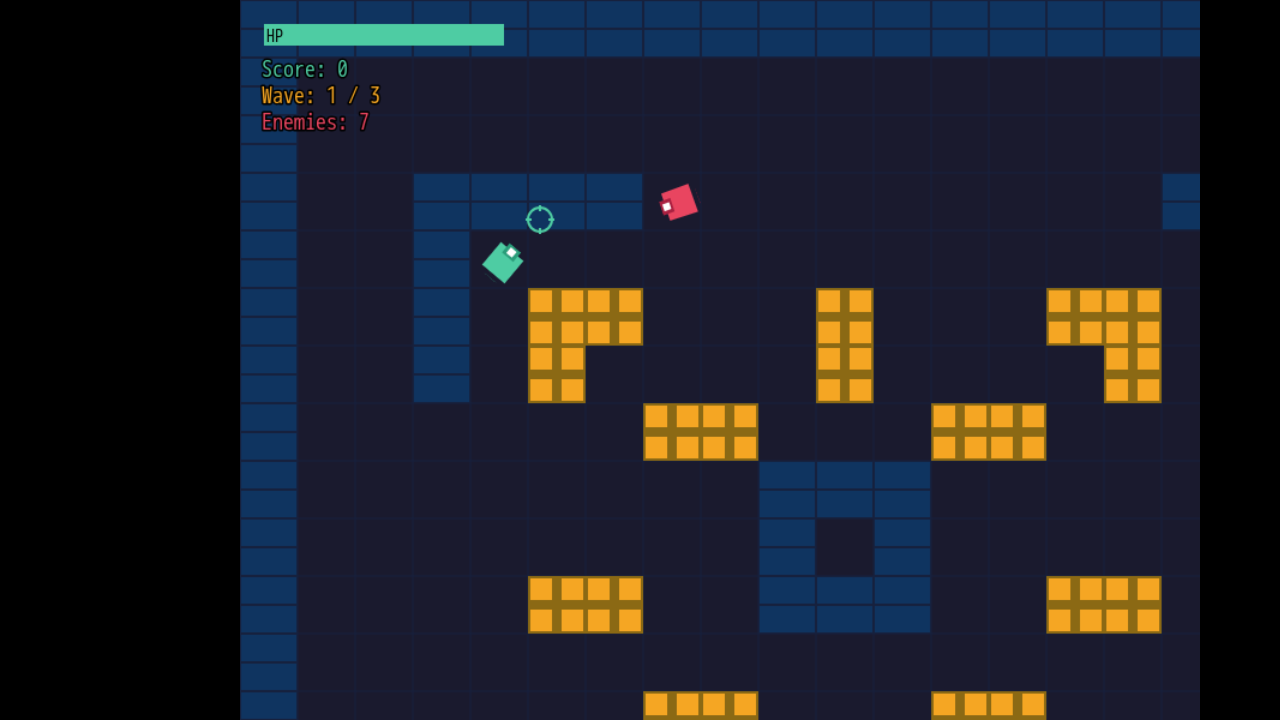
Three rooms of demons in a retro top-down shooter. You start with 50 rounds, so the ammo counter matters as much as the health bar. Clear all three for the mission complete screen.
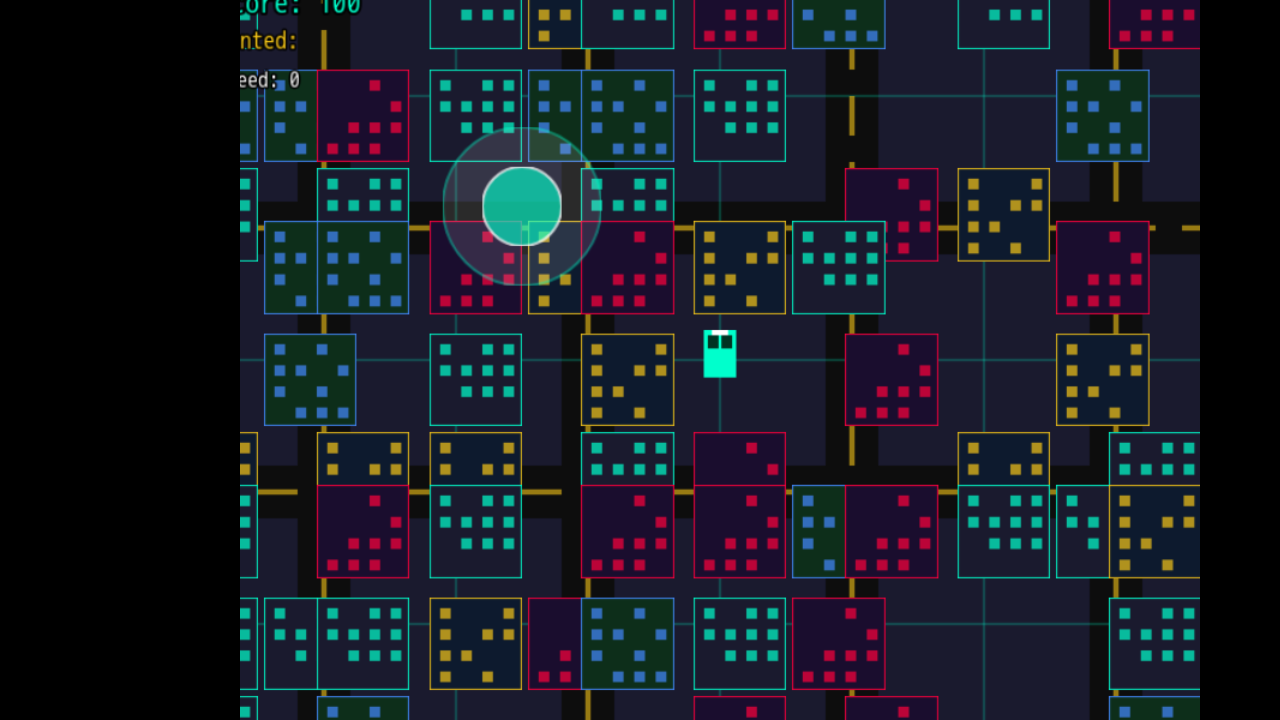
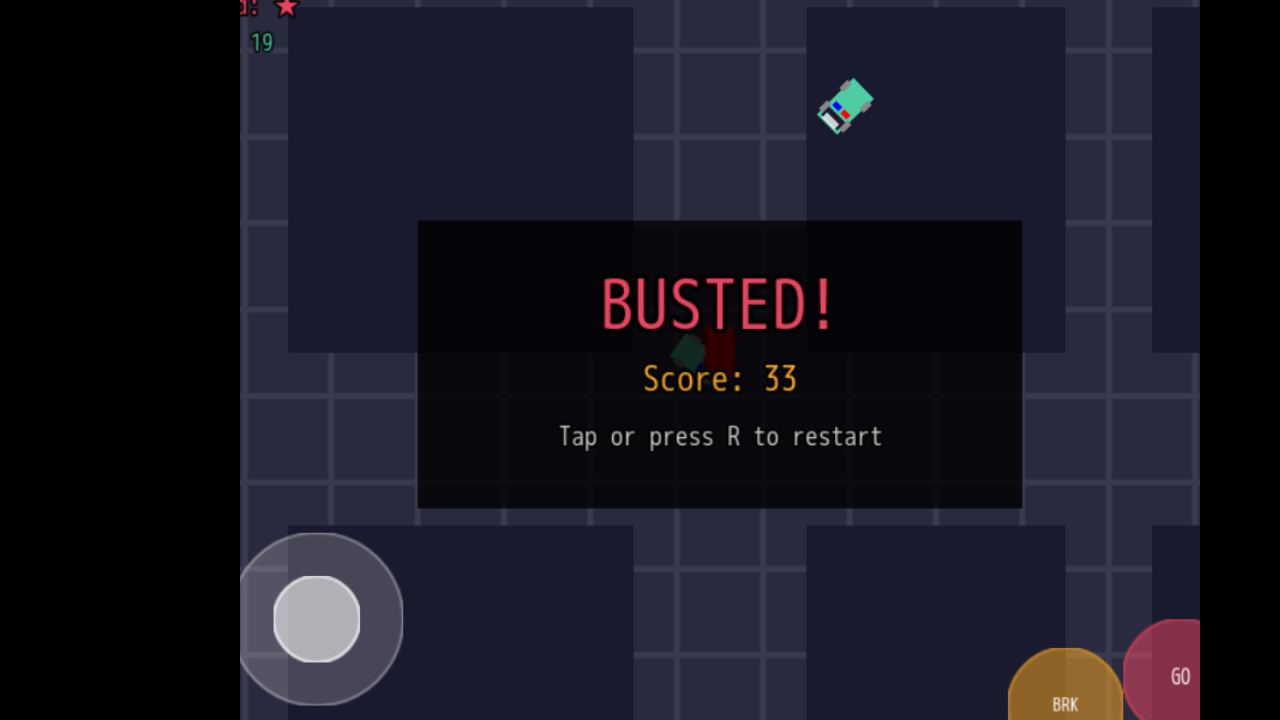
A top-down car chase through an endless neon city. Rack up score, watch the wanted stars climb, and outrun the police once they're on you. Plays fine on a phone with the on-screen joystick.
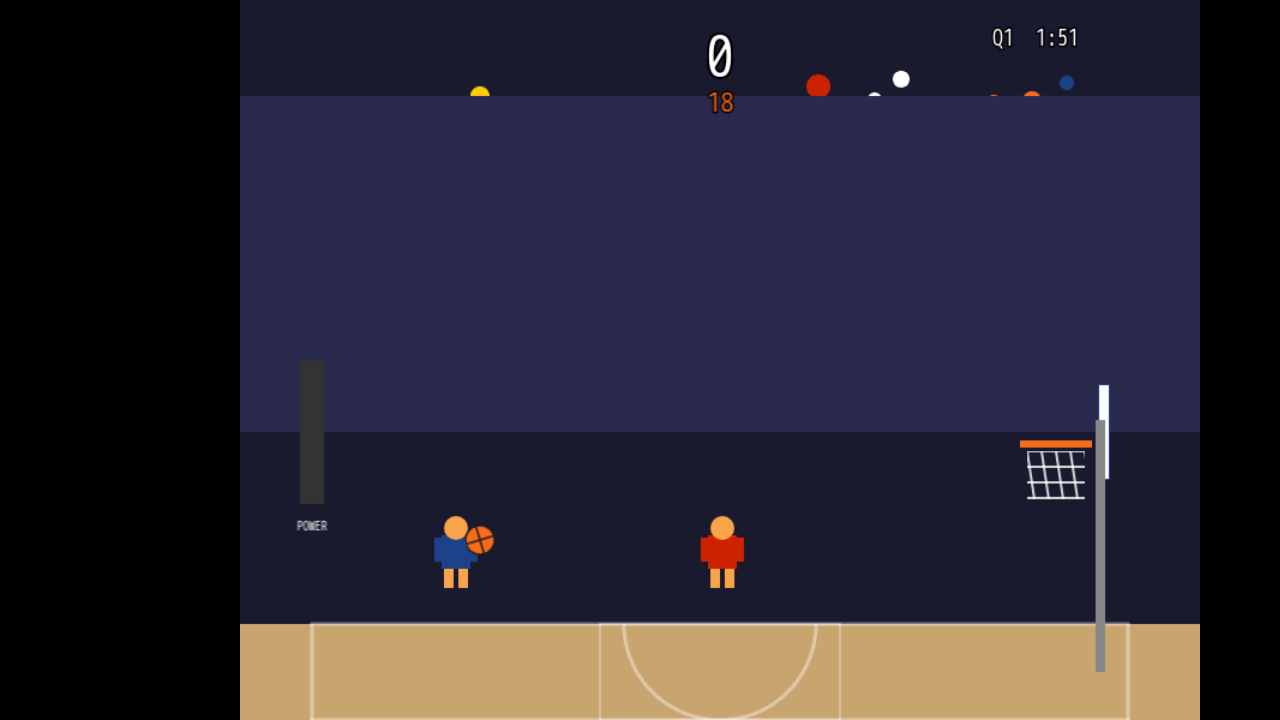
Arcade basketball against a two-minute quarter and a 24-second shot clock. Hold space to fill the power meter, let go to shoot, and time it around the jumping defender.
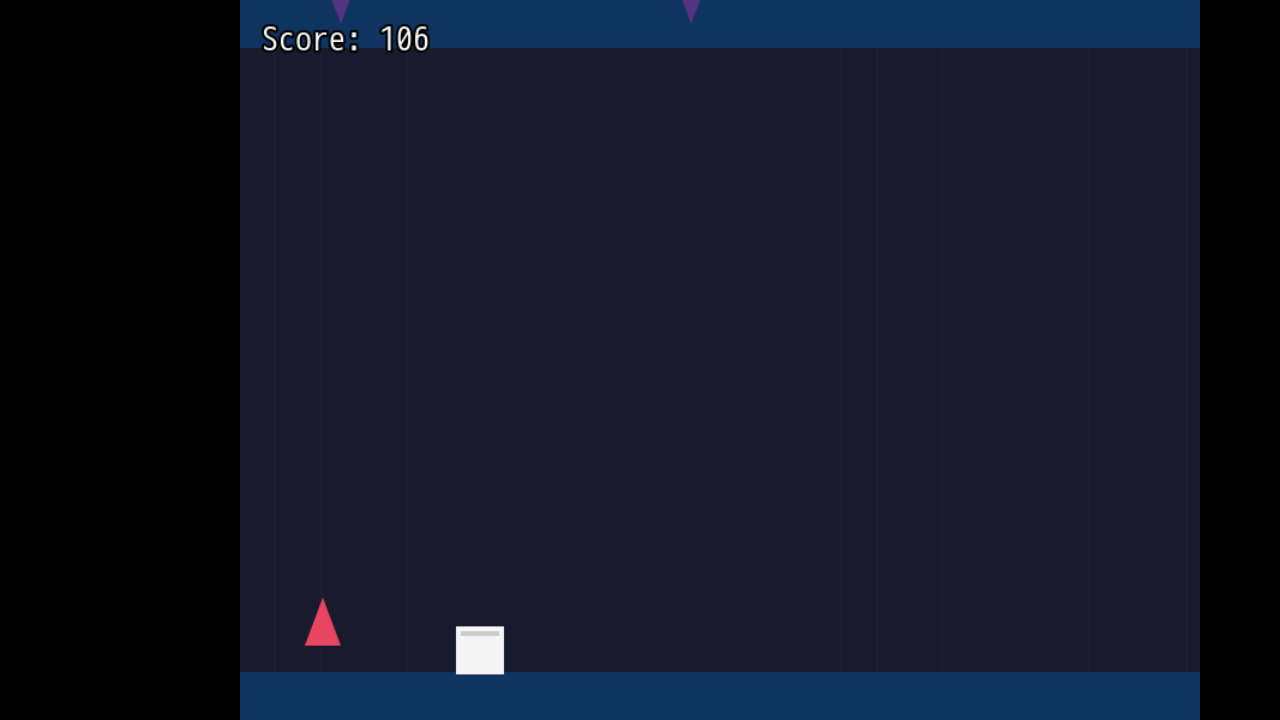
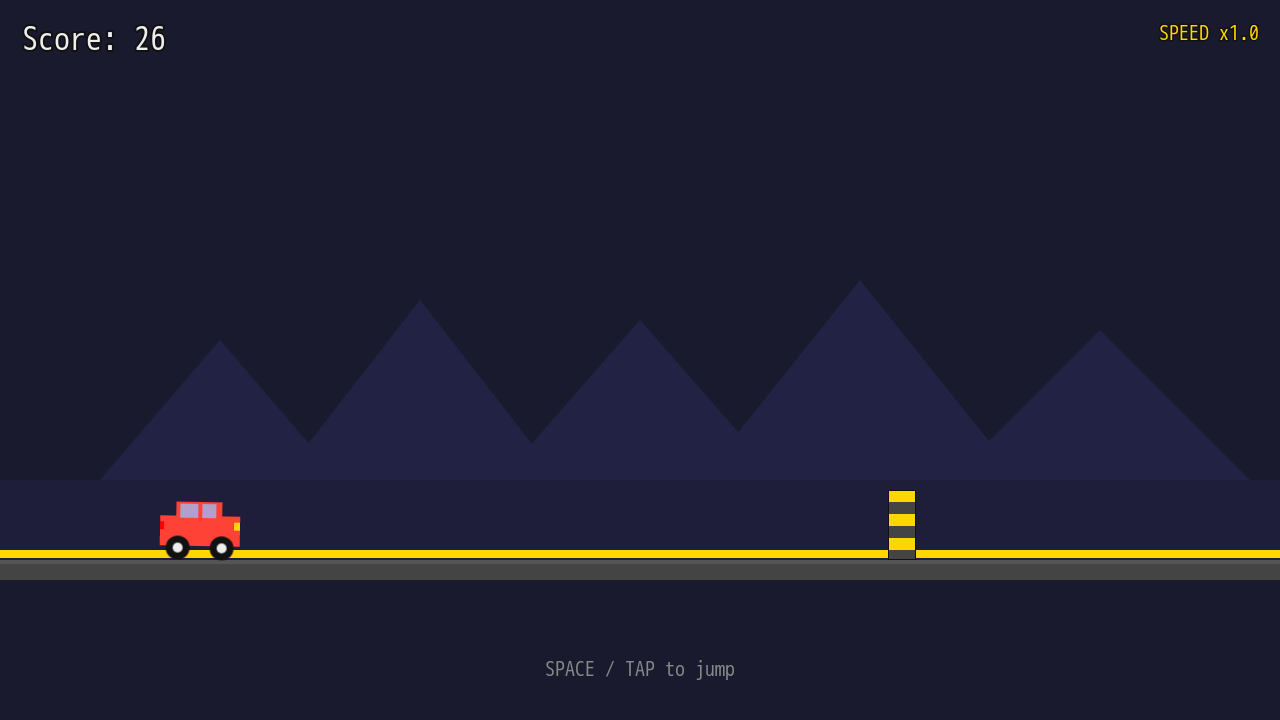
An endless runner with one input. Space or a tap jumps the barriers, the speed multiplier climbs the longer you last, and the run ends the first time you clip one.
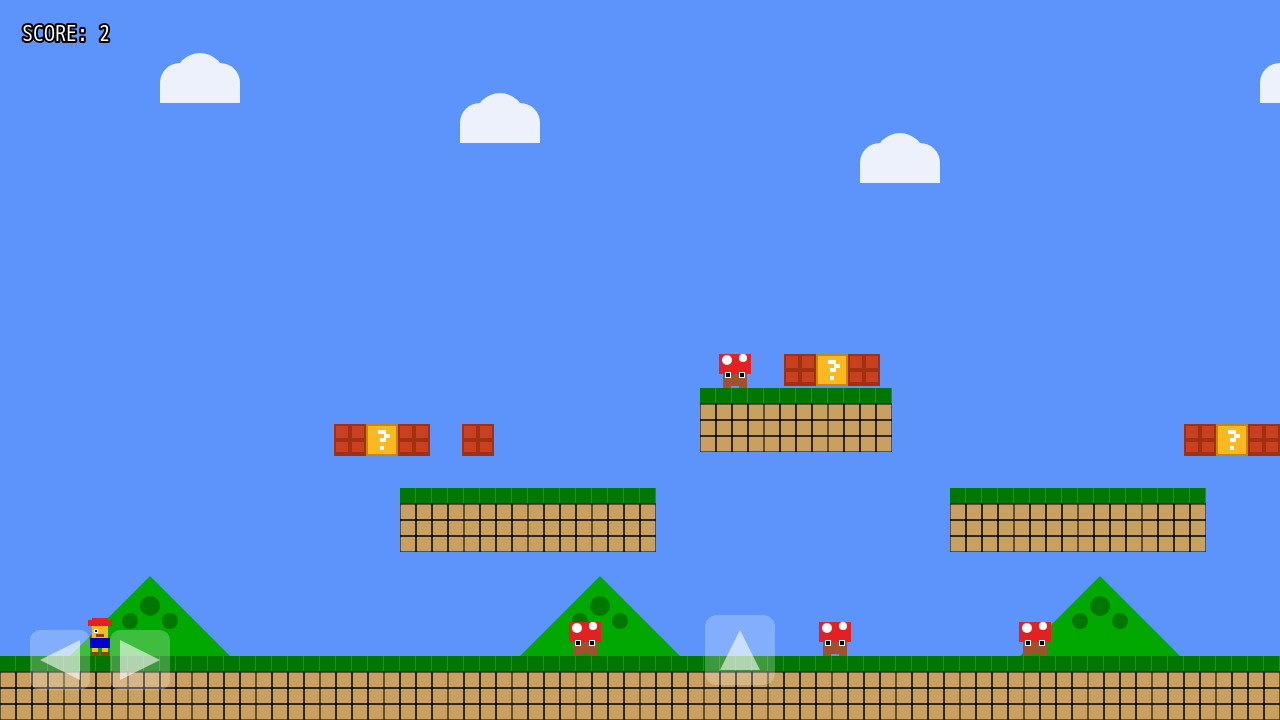
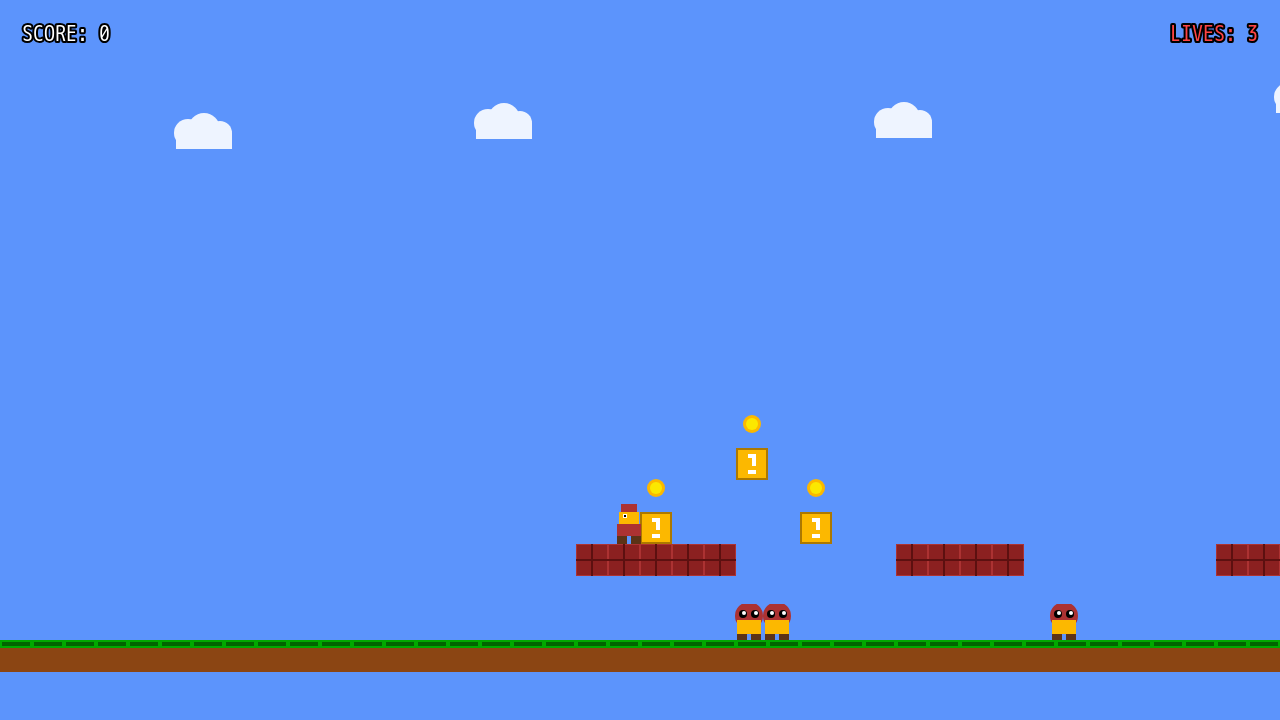
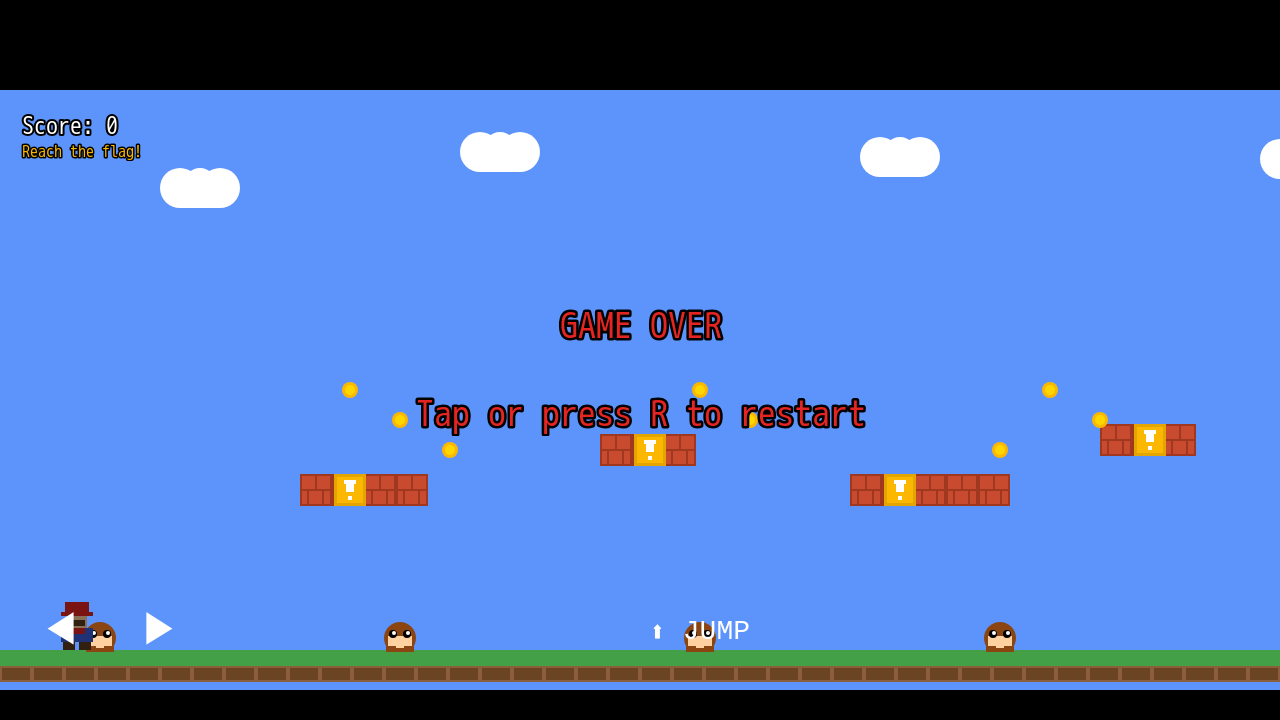
A side-scrolling platformer in the old Mario style. Run right, jump the gaps, land on the enemies, and get to the end of the level for the win screen.
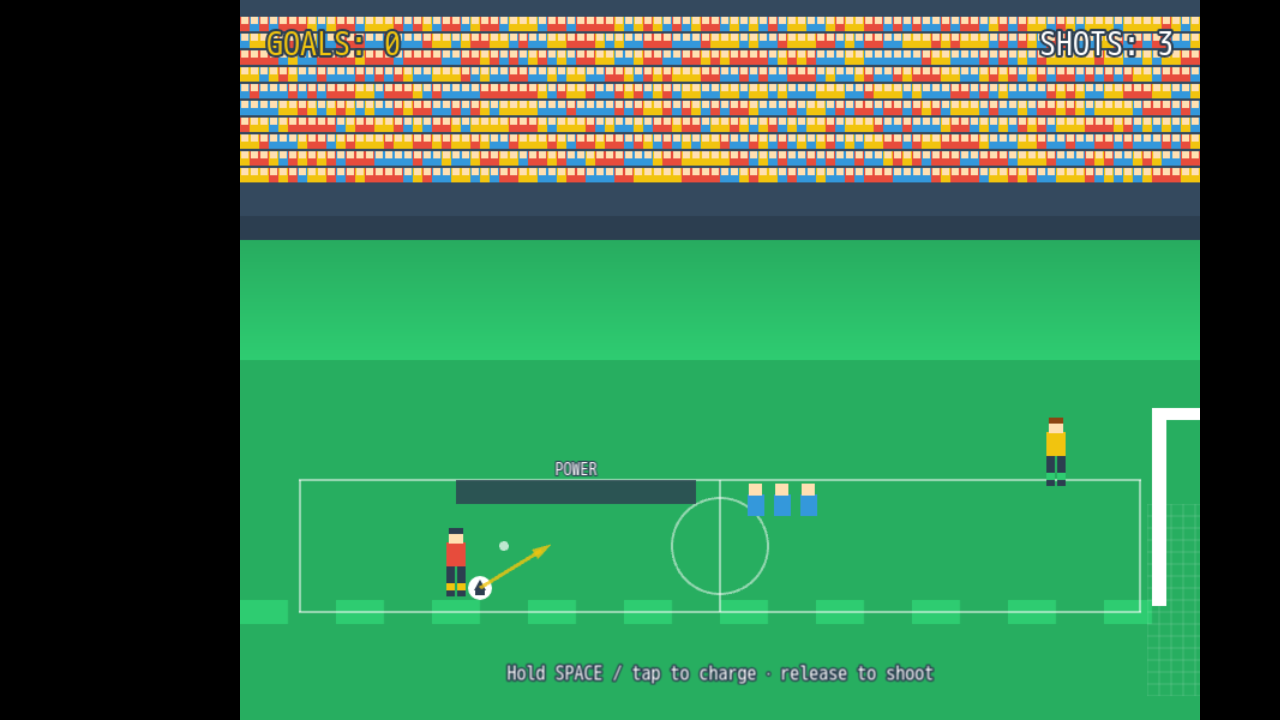
Five shots at goal. Hold space to charge the power meter, let go to kick, and try to beat the keeper before the shots run out.
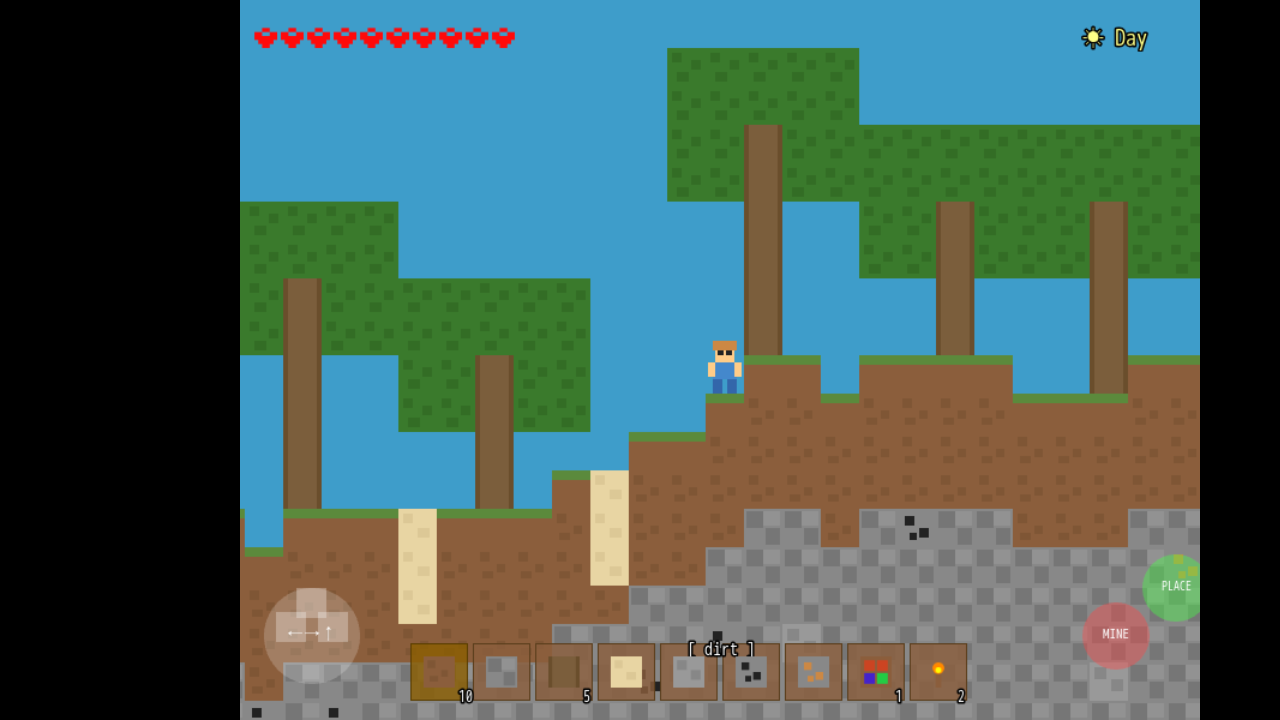
A pocket Minecraft in 2D. Mine blocks by day, place them into a shelter, and hold out when the zombies show up after dark.
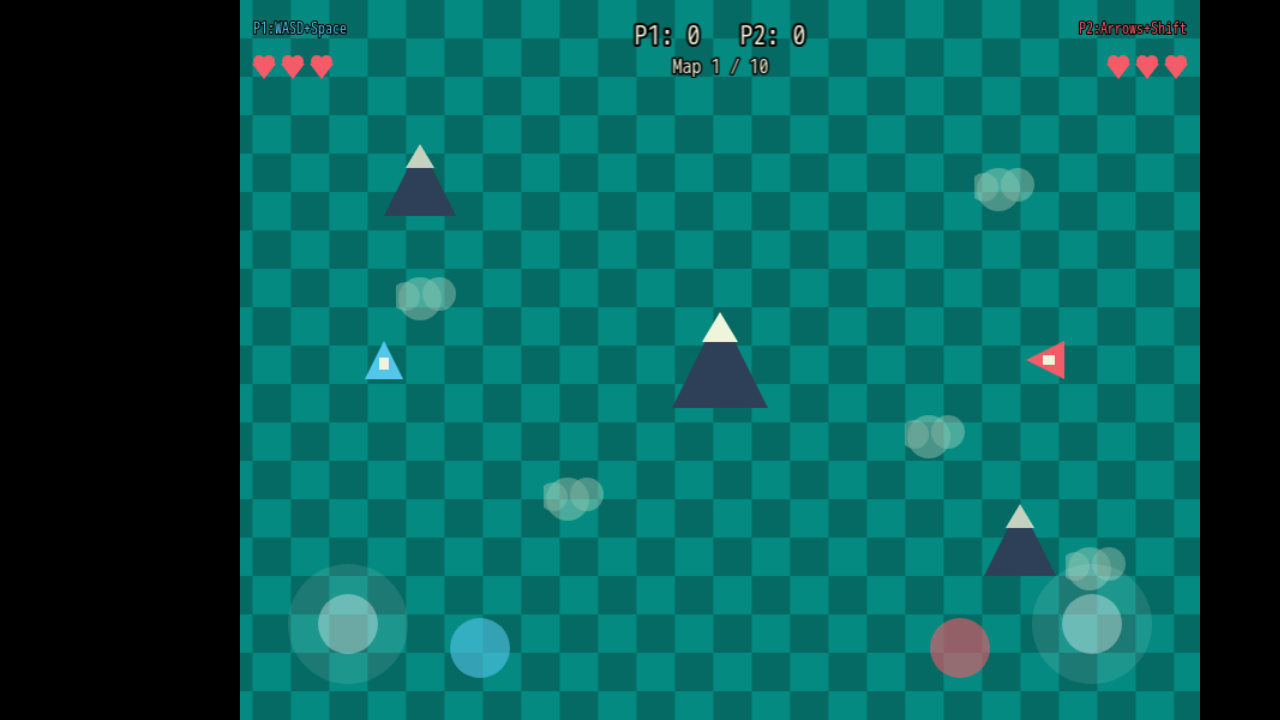
A two-player dogfight on one keyboard, across ten maps. Player one flies on WASD and shoots with Space, player two takes the arrow keys and Shift.
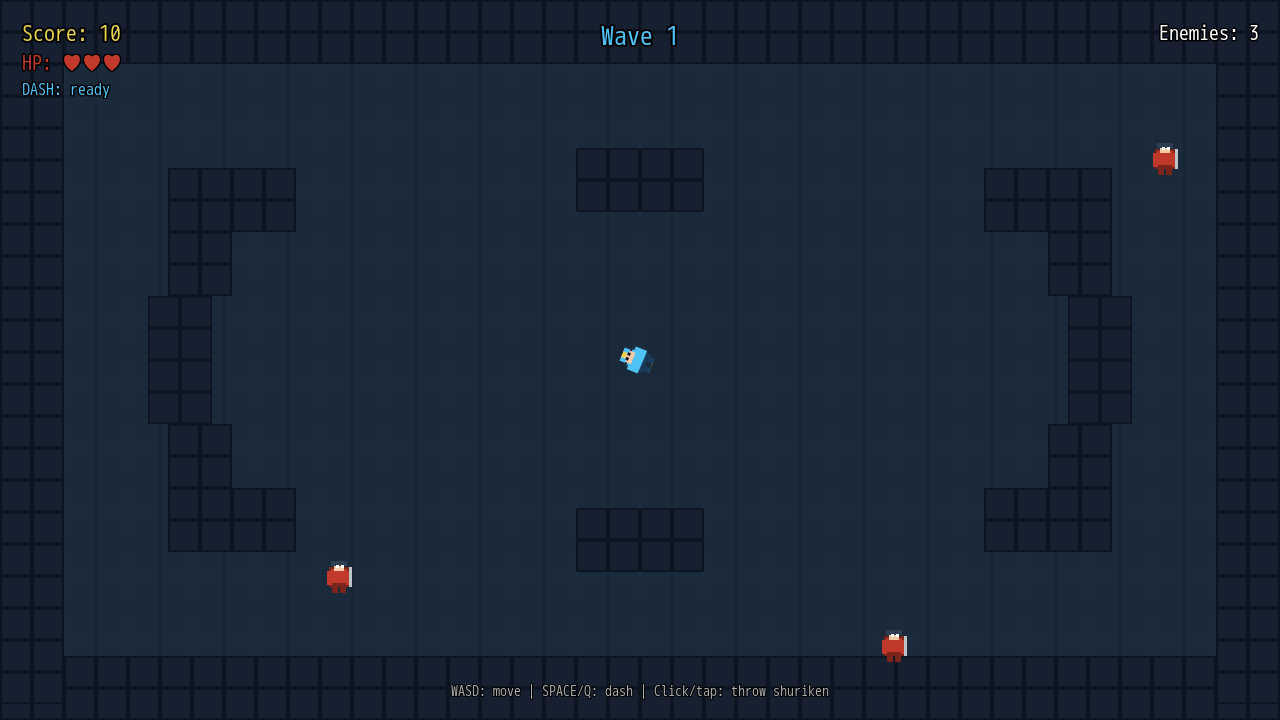
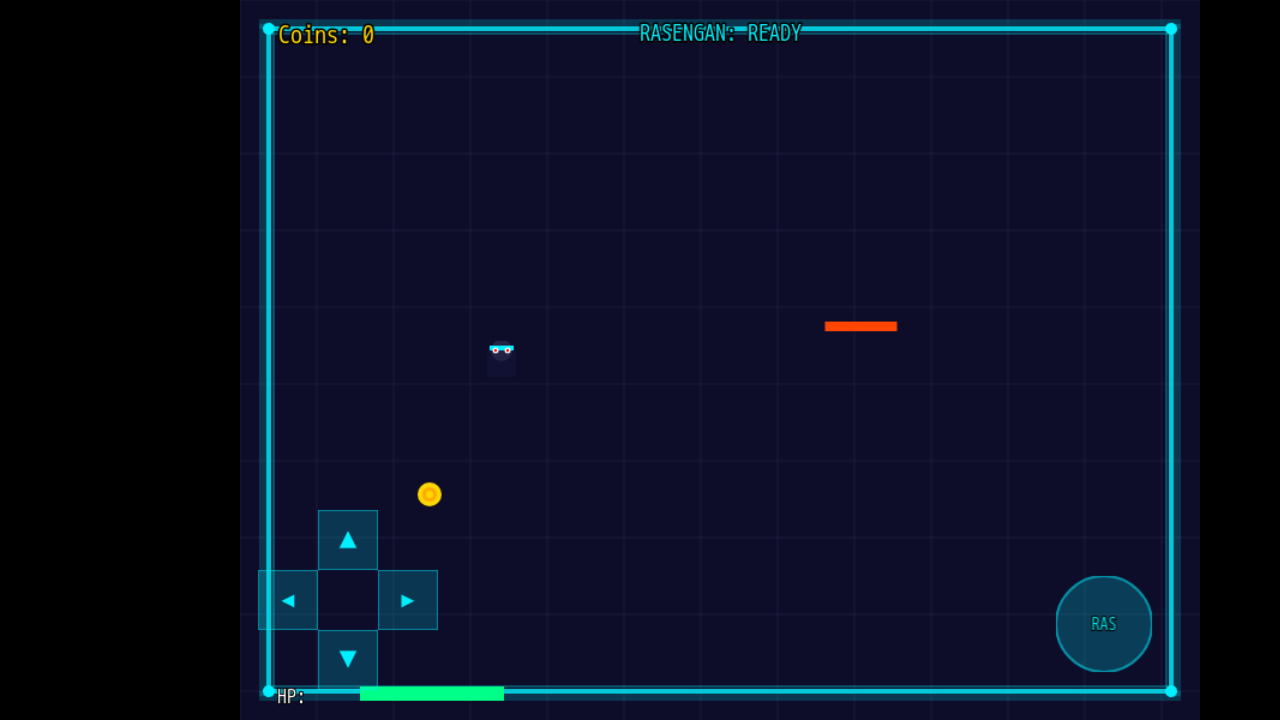
Play as Boruto in a wave-based ninja arena. Throw shuriken toward the cursor, dash with Q when it's ready, and clear every wave for the mission complete.
Lane defense in the Plants vs. Zombies style. Click the falling sun to bank it, spend it on plants, and see how many waves the garden holds.
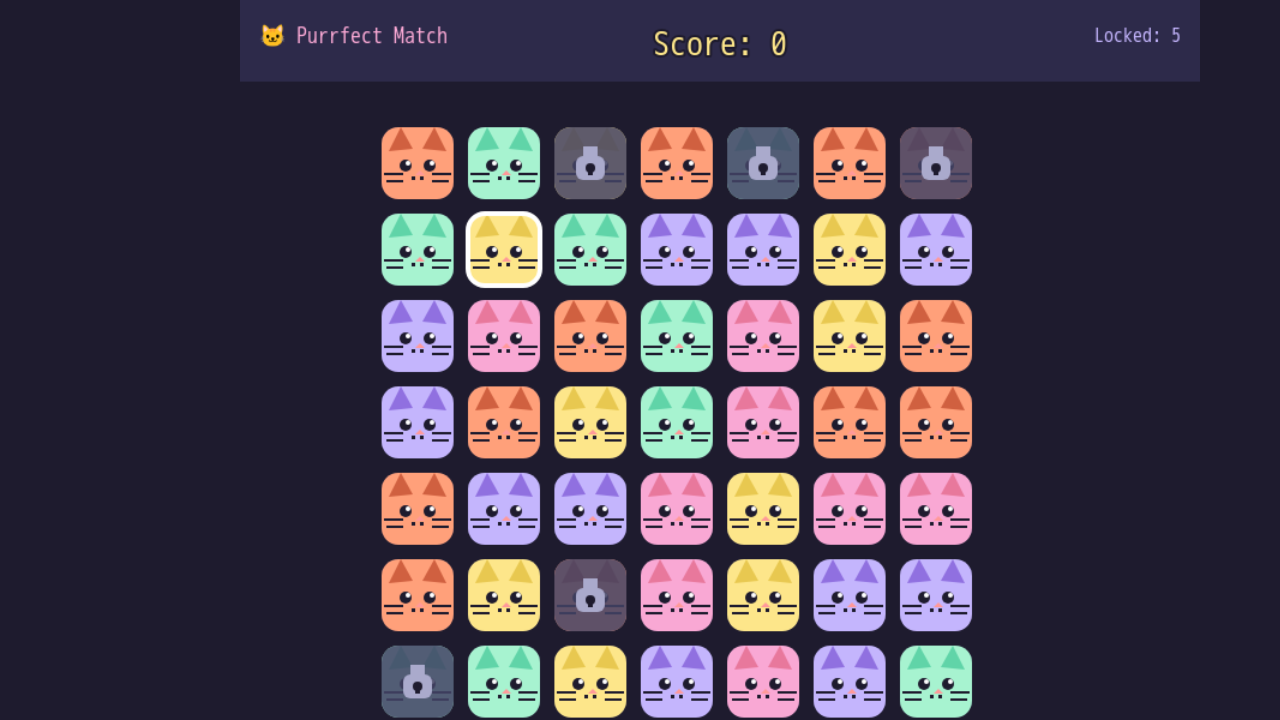
Match-3 with cats. Swap two neighboring tiles to line up three or more. Some tiles come locked, and the counter at the top tracks how many are left.
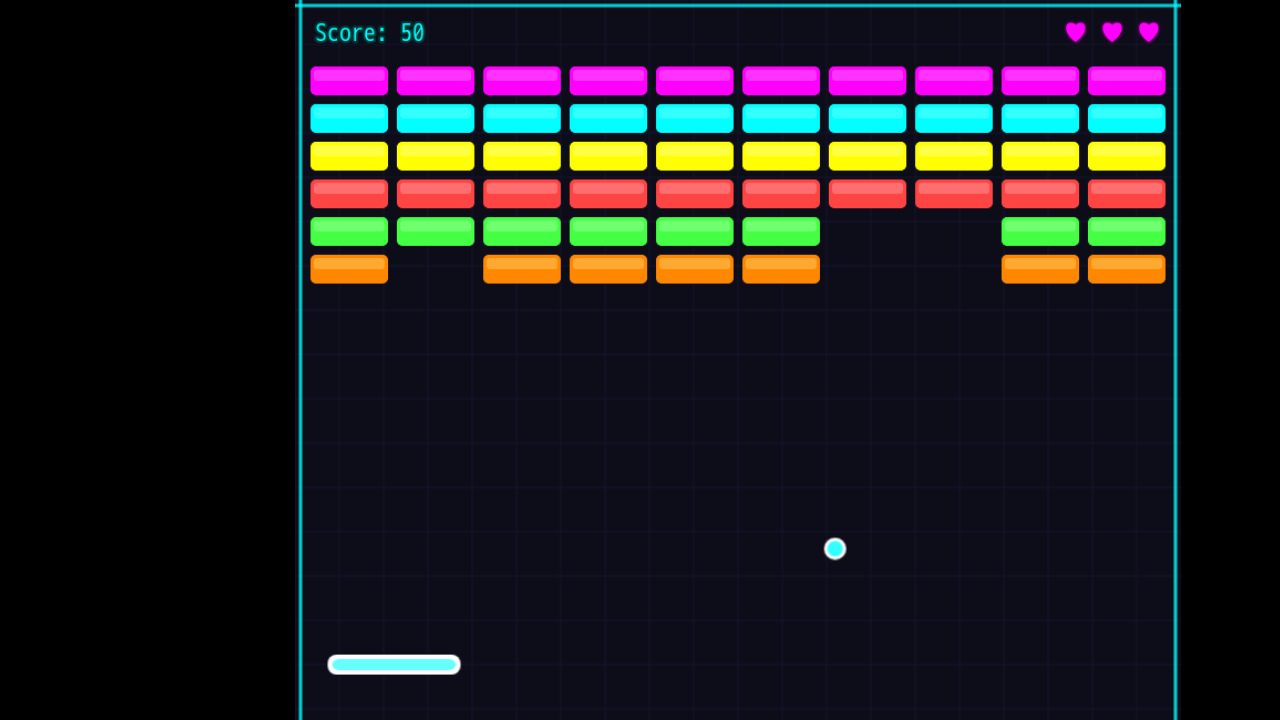
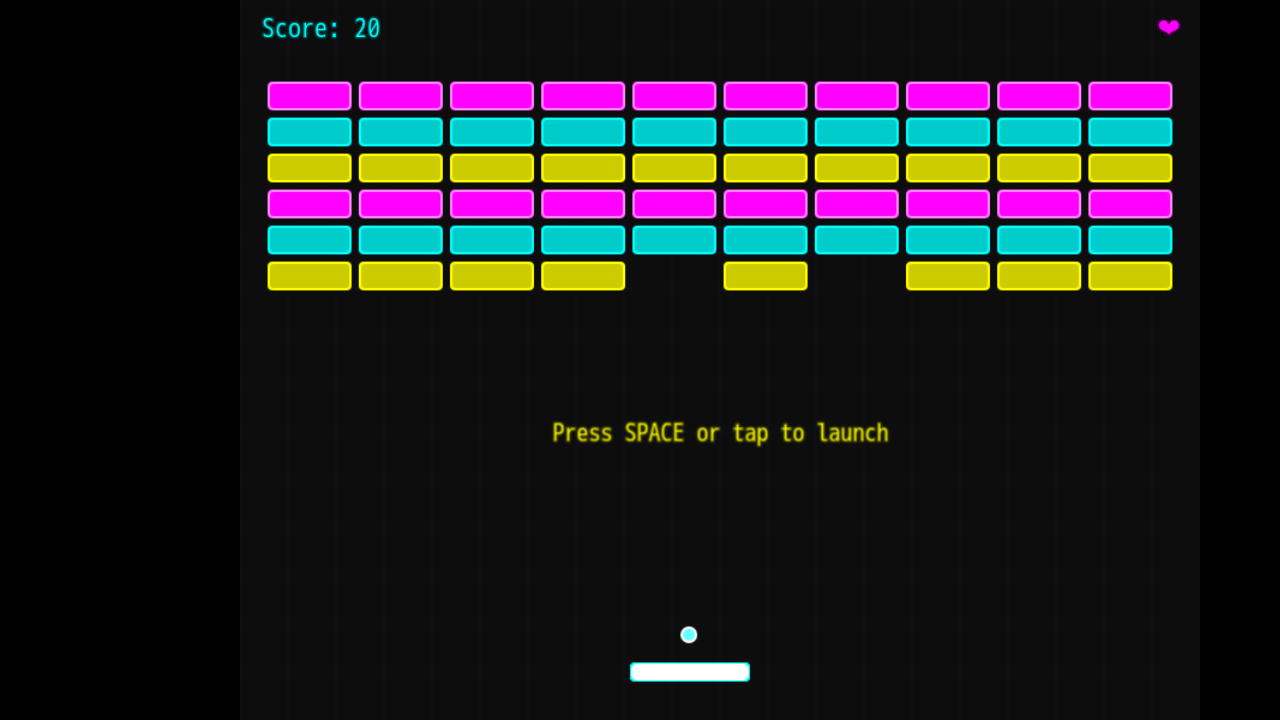
Breakout with a neon coat of paint. Six rows of bricks, three lives, and the paddle follows the mouse or your finger. Clear the wall for the win screen.
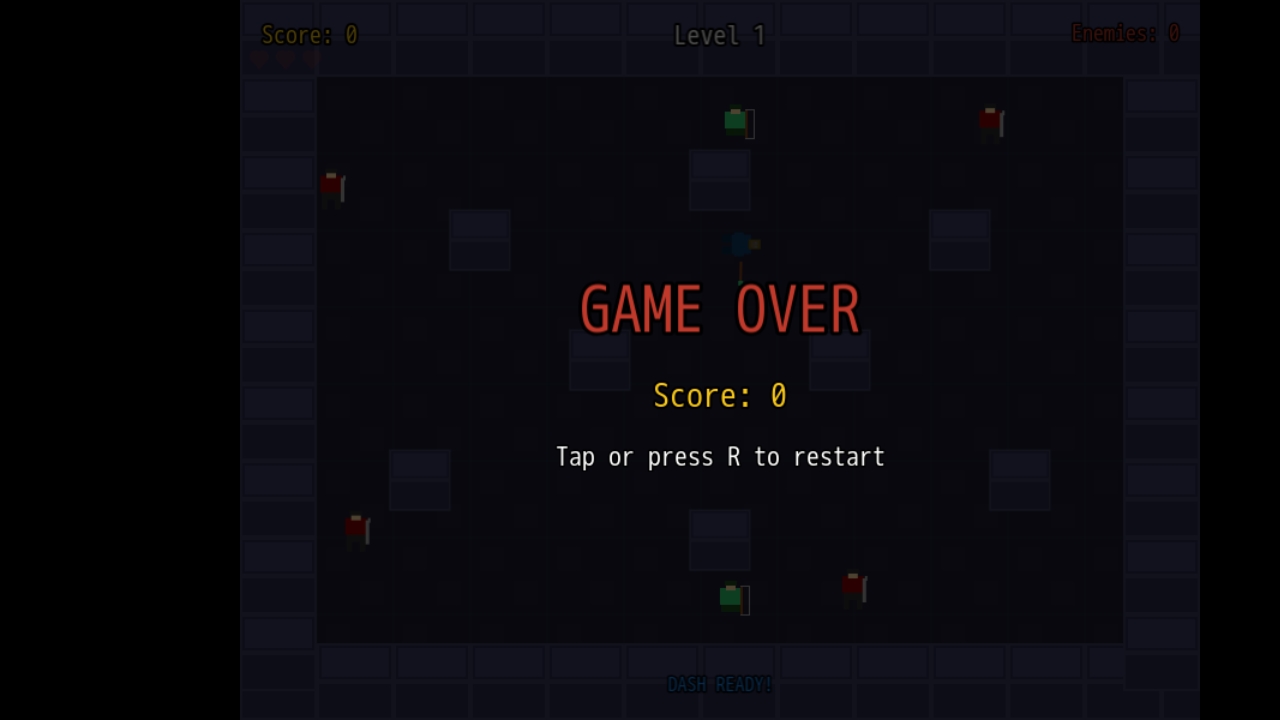
Four levels of samurai and archers, each bigger than the last. Throw kunai at the cursor, dash with Space when the cooldown bar is full, and clear every enemy to move on.
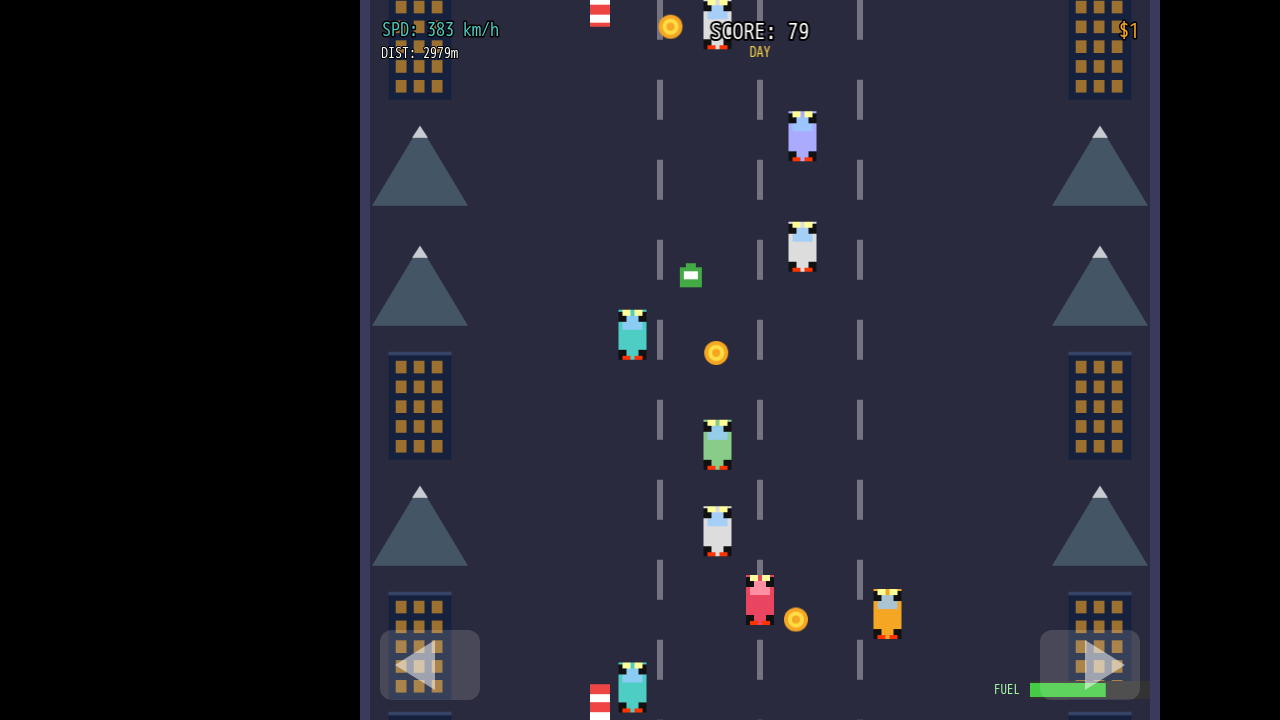
Top-down traffic dodging where the gauge that matters is fuel. It drains faster the harder you push, cans on the road top it up, and the run ends when you hit a car or the tank runs dry. Day turns to night as you go.
One-on-one soccer against a computer player, 90 ticks on the clock. Get to the ball first, shoot past the keeper, and lead when the timer hits zero.
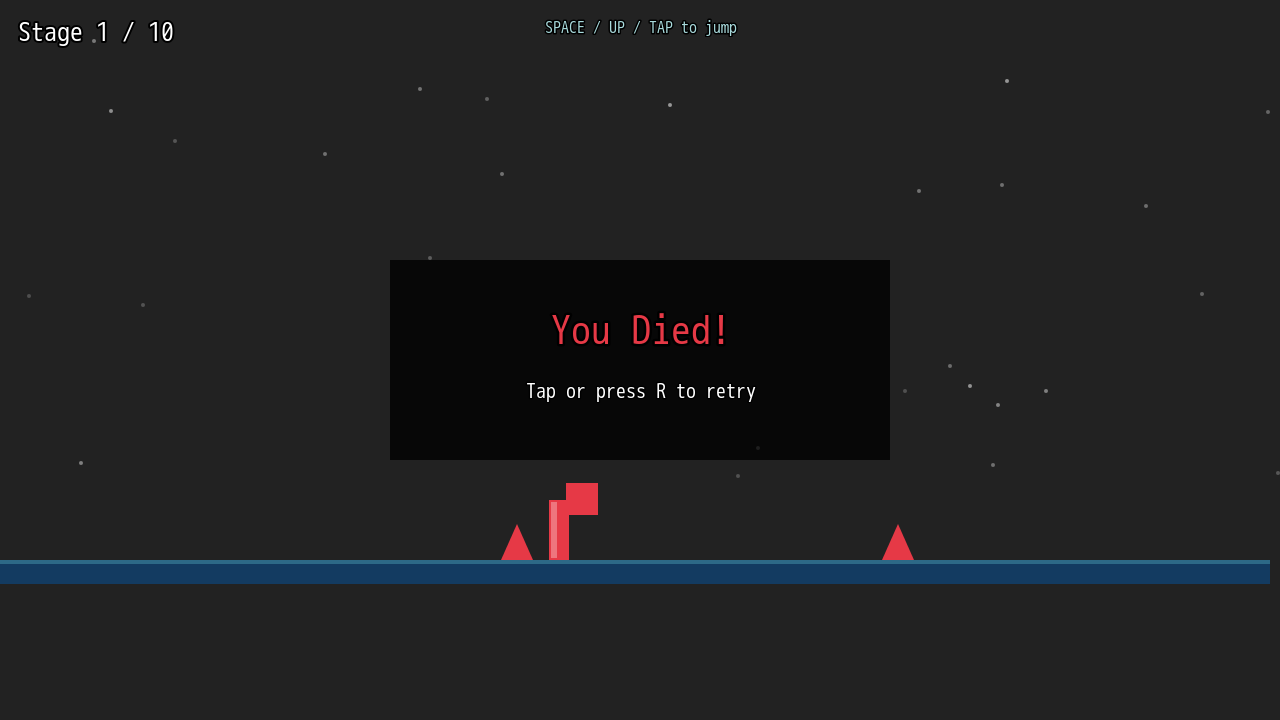
An auto-runner split into ten stages. Jump the spikes, reach the end of each stage, and the last one puts up the win screen. One touch on a spike restarts the stage.
The latest games to pass validation. They haven't had time to collect plays yet, so this is where you find something nobody else has tried.
Know what you're in the mood for? Each genre page lists every free game of that kind, most played first.
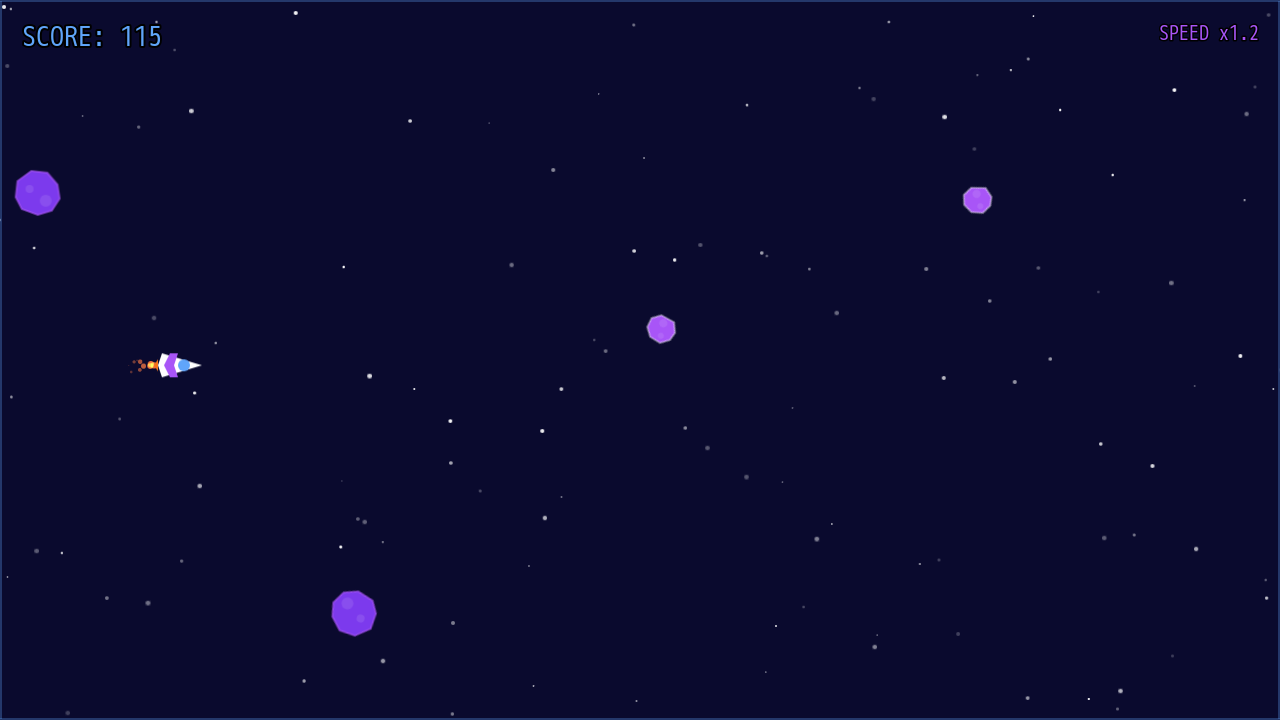
GPTgame turns text prompts into browser games. Someone types “endless runner where you dodge asteroids”, the model plans a spec, writes the Phaser code, and about a minute later there's a playable game with its own URL. A validator then loads each game and checks it actually responds; anything broken stays off pages like this one.
The wall at the top sorts by real play counts. The shortlist under it is the one place on the site where a person picked the games. If you'd rather dig by category, the genre pages cover runners, platformers, shooters and puzzles, the theme pages group games by setting, and featured is the tighter best-of cut.
Playing is, yes. No account, no paywall, no unlock timer. Making your own games is the paid side of the site; playing everyone else's isn't.
No. Every game is built on Phaser, a JavaScript game engine, and runs in the browser tab you already have open. That goes for the play pages too: click a card and the game loads right there.
GPTgame members, mostly people who've never written game code. They describe a game in a sentence and the pipeline plans it, writes it, and puts it at a stable URL.
Most do. The runners and the sports games take a tap where the desktop version takes Space, and the driving games put buttons or a joystick on screen. Shooters that need a mouse to aim are better on a laptop. Each note in the shortlist says which it is.
No ads inside the games and no timer. You can play without an account for as long as you like. Signing up only matters if you want to save a prompt and make something of your own.
Yes, on a paid plan. Type what you want at the create page and you'll be playing your own game in about a minute. Plans are on the pricing page.